
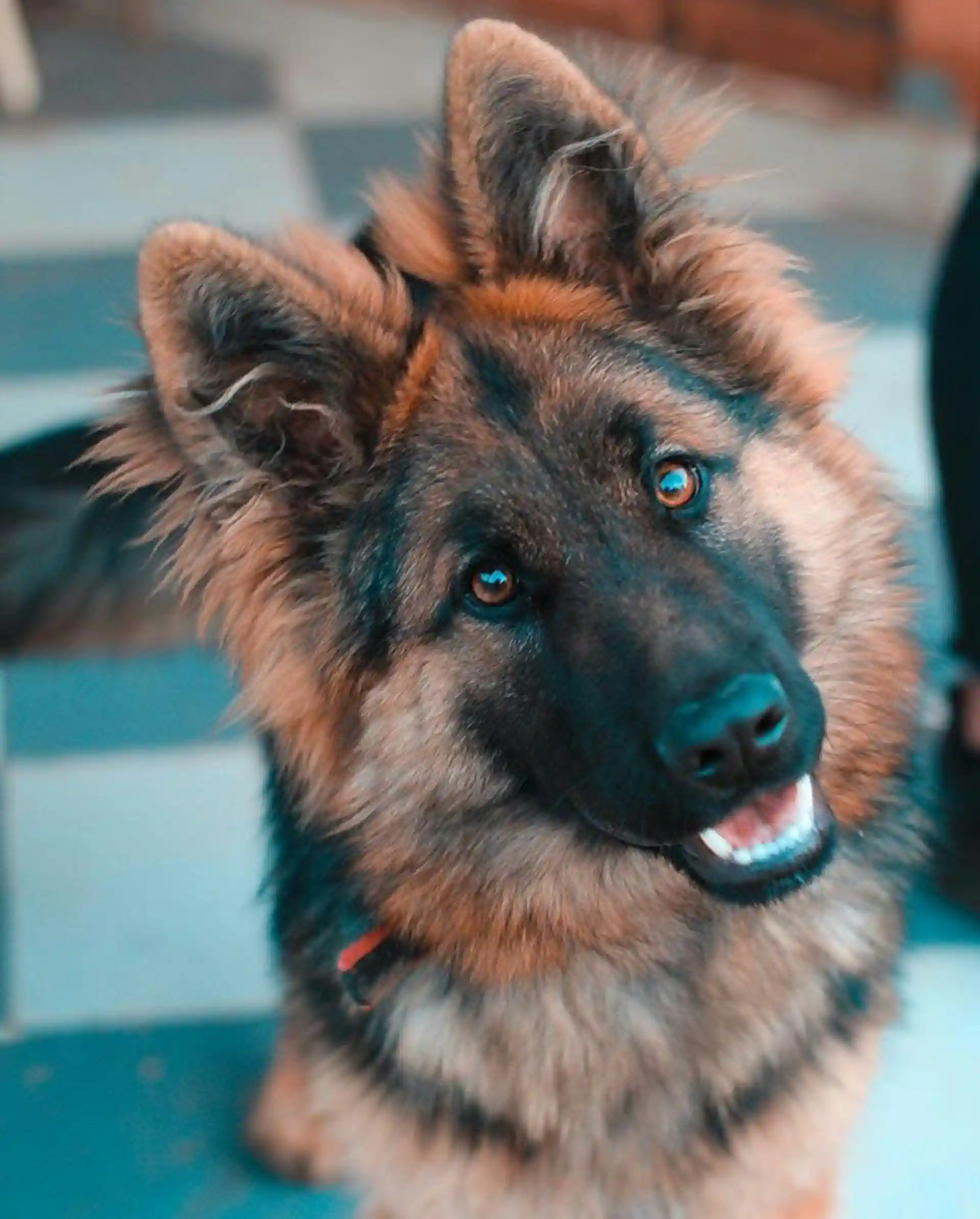
How do you manage German Shepherd shedding?
Regular brushing and professional deshedding help remove loose, dead undercoat before it builds up, reducing shedding around your home while keeping your dog's coat comfortable and easier to maintain. Understanding when shedding peaks and when to schedule deshedding is an essential part of the routine.
German Shepherd Grooming: Understanding the Double Coat
A German Shepherd has a dense outer coat over a softer undercoat. The outer coat helps protect against weather and debris, while the undercoat provides additional insulation. Both layers follow natural growth and shedding cycles, but the undercoat is responsible for much of the loose fur owners notice during heavier seasonal shedding.
Loose undercoat can remain caught beneath the outer coat instead of falling away cleanly. When enough accumulates, the coat may become harder to brush, dry thoroughly, and inspect near the skin. Regular brushing helps remove loose undercoat before buildup becomes difficult to manage. It is more than cosmetic maintenance and also gives owners an opportunity to notice skin or coat changes that may need professional or veterinary attention.
When Do German Shepherds Shed the Most in Colorado?
German Shepherds typically shed throughout the year, but the amount can vary. Many release more undercoat during seasonal changes, often in spring and fall, although the timing and intensity differ by dog, climate, and time spent indoors. These heavier shedding periods are commonly called coat blows.
During a blow, the loose undercoat comes out in handfuls. You will see tufts stuck to furniture, drifts along baseboards, and clumps that come free with a single pass of your fingers. Around Colorado, that turnover tends to move quickly once it starts, and the dry indoor air of the colder months keeps loose coat light enough to travel. The key point is that a coat blow is not random. It builds, it peaks, and then it tapers off. If you can read where you are in that arc, you can time your grooming instead of reacting to it.
How Often Should You Brush a German Shepherd?
Outside of a blow, brush your German Shepherd three to four times a week. During coat-blow season, make it daily. That schedule comes straight from how fast the undercoat accumulates, and it is the difference between a fifteen-minute session and an hour of catching up.
Daily brushing during a blow does two things. It removes loose wool before it packs down, and it gives you a chance to run your hands over the dog and notice anything new: a hot spot, a mat forming behind an ear, a patch of dry skin, a tick. Short, frequent sessions beat one long marathon every time, both for the coat and for the dog's patience.
Best Tools for German Shepherd Deshedding
German Shepherd grooming tools need to reach through the outer coat and lift the undercoat without scraping skin. Polished, anti-static pins matter more than most owners realize, because they glide instead of dragging and they cut down on static that makes loose fur stick right back where it came from.
| Tool | What it does | Where it fits |
|---|---|---|
| Pin brush with firm, static-free pins | Separates the outer coat and lifts loose undercoat; polished tips protect skin | Baseline tool for routine sessions and for finishing after a deshedding treatment |
| Grooming rake | Reaches under the topcoat to pull out packed wool | Heavy shedding and the middle of a coat blow |
| Deshedding tool | Removes dense undercoat quickly when used with a light hand | Peak shedding, worked in sections rather than scrubbed over one spot |
Whatever you use, keep the pressure light and let the tool do the work. Deshedding tools that get pressed hard in one place can leave the skin sore and the coat thinner than you intended. Work in sections, follow the direction the coat grows, and stop when the tool starts coming up clean.
What Happens During a Professional German Shepherd Deshedding Treatment?
Professional German Shepherd deshedding goes beyond regular brushing. The goal is to remove loose, dead undercoat without damaging the protective outer coat or irritating the skin.
A typical deshedding treatment combines thorough brushing, a bath using coat-appropriate products, and careful drying to help release loose undercoat. Grooming tools are then used to remove remaining loose fur, paying particular attention to areas where the undercoat tends to build up.
Unlike shaving or cutting the coat short, deshedding preserves the German Shepherd's natural double coat while helping reduce the amount of loose fur left around your home.
Professional deshedding won't stop your German Shepherd from shedding, but it can make seasonal coat blows easier to manage, especially when combined with regular brushing at home.
When to Schedule German Shepherd Deshedding
The best time to schedule a German Shepherd deshedding treatment is when the seasonal undercoat begins loosening, rather than waiting until heavy shedding becomes difficult to manage.
Watch for early signs such as tufts of fur coming free during brushing, loose hair collecting around your home, or noticeably more undercoat coming out than usual. These can indicate that your German Shepherd is entering a seasonal coat blow.
A practical approach is to:
Book a professional deshedding treatment when seasonal shedding begins increasing.
Continue regular brushing at home throughout the shedding period to remove loose undercoat as it releases.
Consider an additional professional treatment if shedding remains unusually heavy or the undercoat becomes difficult to manage.
Between seasonal coat blows, maintain a consistent brushing routine and schedule a bath and brush when needed.
Not every German Shepherd needs multiple professional deshedding appointments during a shedding season. The right frequency depends on coat density, the amount of loose undercoat, the dog's lifestyle, and how effectively brushing at home manages shedding.
The goal is not to schedule more grooming appointments than necessary, but to keep the double coat healthy and manageable throughout the year.
How Bathing and Drying Help Remove Loose Undercoat
Bathing with coat-appropriate products can help loosen and rinse away some loose undercoat. Thorough drying and brushing then help separate the dense coat and remove additional loose hair. Because moisture can remain close to the skin in a thick double coat, the coat should be rinsed carefully and dried thoroughly after bathing.
Bathe a German Shepherd when the coat is dirty, develops an odor, or as part of an appropriate deshedding routine. The right bathing schedule varies with the dog's coat, activity, skin condition, and products used. Bathing too frequently can dry the skin and coat, so shedding alone is not a reason to follow a fixed weekly schedule. Ask your veterinarian about recurring irritation or other skin concerns.
German Shepherd Grooming Beyond Deshedding
While managing the double coat is a major part of German Shepherd grooming, other routine care is equally important.
Nails that grow too long can affect how your dog stands and walks, making regular nail trimming an important part of their grooming routine.
German Shepherds typically have upright ears, but they still need regular checks for wax buildup, redness, unusual odors, or signs of irritation. Ears should be cleaned when necessary using dog-safe products.
Paw pads should also be checked for trapped debris, dryness, or small cracks, especially after outdoor activities on Colorado's trails and changing seasonal surfaces.
Including these simple checks in your regular grooming routine helps keep your German Shepherd comfortable beyond shedding season.
Common German Shepherd Deshedding Mistakes
Shaving is the big one. A German Shepherd's coat regulates temperature in both directions, and clipping it away does not cool the dog down the way people expect. It also risks the coat growing back uneven or with a different texture.
The second most common mistake is letting the undercoat pack down because brushing happens only when the shedding gets noticeable. Once that wool is compacted against the skin, a surface brush pass will not fix it, and the dog may need a professional deshedding treatment to reset. The third is using too much force with a deshedding blade, which leaves skin raw and does not remove any more hair than a lighter pass would.
Professional German Shepherd Deshedding in Denver Metro
Even with regular brushing, German Shepherd shedding can become overwhelming during seasonal coat blows. When loose undercoat builds up faster than you can manage at home, professional deshedding can make a noticeable difference.
Fur Sure Grooming offers its Fur-nado deshedding treatment, designed to help remove loose undercoat, manage heavy shedding, and keep your German Shepherd's double coat in good condition.
As a family-owned, cage-free mobile grooming service, Fur Sure Grooming brings a fully equipped grooming van directly to your driveway. We serve Denver Metro and surrounding Colorado communities, including Westminster, Thornton, Arvada, Broomfield, Boulder, Wheat Ridge, Longmont, and Northglenn.
With no cages, crowded waiting rooms, or stressful car rides, our one-on-one grooming experience is especially beneficial for anxious, senior, and rescue dogs. Fur Sure Grooming is PACFA licensed, giving pet parents added peace of mind.
If your German Shepherd is blowing coat and regular brushing isn't keeping up, a well-timed professional deshedding treatment combined with consistent at-home brushing can help make shedding season much more manageable.
Frequently Asked Questions
Brush three to four times a week for most of the year. During a coat blow, switch to daily sessions so loose undercoat never gets a chance to pack down against the skin. Short, frequent sessions work better than one long brushing marathon, and they give you a chance to check the skin, ears, and paws while you are there.
A coat blow is the seasonal turnover when a German Shepherd drops large amounts of undercoat. Most dogs blow in spring and again in fall, though the timing and length vary by dog, climate, and time spent outdoors. The volume builds, peaks, and then tapers. Watch for tufts coming free in your hand as your cue to start daily brushing.
No. The double coat insulates against heat as well as cold, and clipping it away does not cool the dog the way people expect. Shaving also risks the coat growing back uneven or with a different texture. Brush out the loose undercoat instead, keep water available, and use shade and timing to manage summer heat.
A deshedding tool is for dense undercoat during heavy shedding, not for everyday upkeep. A pin brush with firm, polished, static-free pins is the tool you reach for most often, since it separates the coat and lifts loose wool without scraping skin. Use the deshedding tool in sections and with a light hand, and follow up with the brush.
Consider booking a professional deshedding treatment when you notice significantly more loose undercoat during brushing, tufts of fur releasing easily, or heavy shedding around your home. Scheduling a treatment as seasonal shedding increases can help manage the loose undercoat before it becomes overwhelming. Additional appointments may be helpful for dogs with particularly dense coats or prolonged shedding, but the right frequency depends on your German Shepherd's individual needs.